

How to Recognize Signs of Oral Health Problems in Nonverbal Children
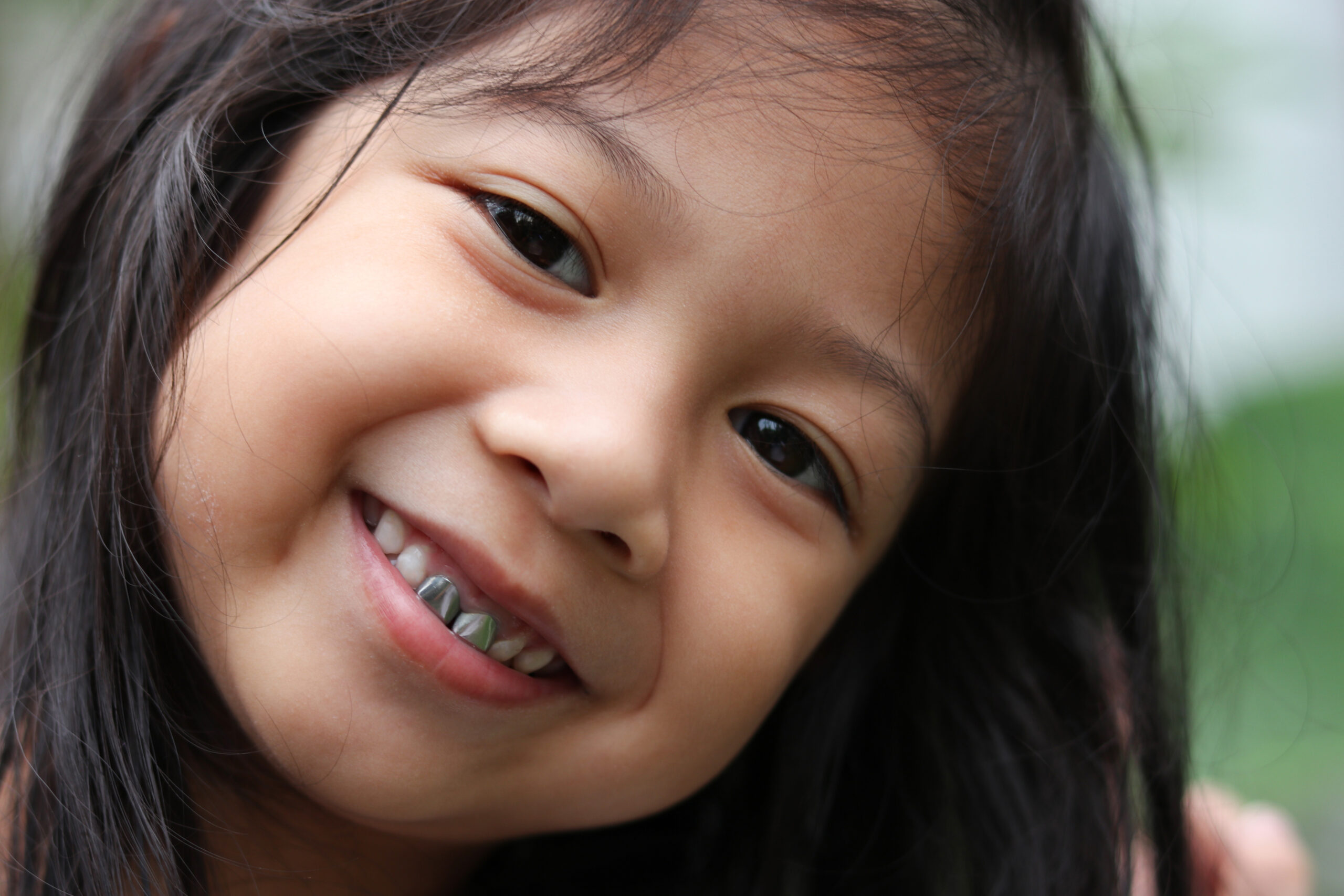
Caring for a child who cannot verbally communicate can present unique challenges, especially when it comes to oral health. Nonverbal children—including those with developmental delays, autism spectrum disorder, or other conditions—may not be able to express dental pain, sensitivity, or discomfort. Recognizing the signs of oral health problems early is crucial to preventing more serious issues and ensuring your child maintains a healthy smile.
In this blog, we’ll explore the key indicators of oral health problems in nonverbal children and explain why consulting a pediatric dentist is essential for early detection and treatment.
Why Oral Health is Critical for Nonverbal Children
Oral health affects more than just teeth. Poor oral hygiene can lead to infections, pain, difficulty eating, sleep disturbances, and even systemic health issues. For nonverbal children, untreated dental problems may go unnoticed, leading to prolonged discomfort and potentially serious complications. Early recognition and intervention are vital for maintaining both oral and overall health.
Common Signs of Oral Health Problems
Even if your child cannot communicate verbally, there are behavioral and physical cues that may indicate dental issues.
1. Changes in Eating Habits
Difficulty chewing, refusal to eat certain foods, or sudden preference for soft foods may indicate tooth pain or sensitivity. Pay attention to signs of discomfort while eating, such as facial grimacing, drooling, or spitting out food.
2. Excessive Drooling or Mouth Movements
While some drooling can be normal, excessive saliva or unusual tongue or lip movements may suggest oral discomfort or irritation. Persistent drooling could also be a sign of teething or gum inflammation.
3. Behavioral Changes
Nonverbal children may communicate pain through behavior. Watch for irritability, withdrawal, increased aggression, or changes in sleep patterns. These can be subtle signs of dental pain or infection.
4. Facial Expressions and Gestures
Children may indicate discomfort by touching their face, jaw, or mouth frequently. Flinching when the mouth is touched, avoiding certain head positions, or pressing on cheeks could signal oral issues.
5. Oral Hygiene Challenges
Difficulty tolerating toothbrushing or flossing can sometimes mask underlying problems. Resistance to brushing, gagging, or crying during oral care may indicate sensitivity or pain that needs professional attention.
6. Visible Changes in Teeth or Gums
Even if your child is nonverbal, regular observation of their mouth can reveal signs of concern:
-
Red, swollen, or bleeding gums
-
Discolored teeth (yellow, brown, or black spots)
-
Cracks, chips, or loose teeth
-
White spots or early signs of decay
7. Bad Breath
Persistent foul odor or unusual taste in the mouth may indicate bacterial growth, cavities, or infection.
How Parents Can Support Oral Health
Preventing oral health problems in nonverbal children requires proactive care and consistent monitoring. Here are some strategies:
-
Regular Brushing and Flossing: Use a soft-bristled toothbrush and fluoride toothpaste. Consider adaptive toothbrushes or specialized aids to make brushing more comfortable.
-
Balanced Diet: Limit sugary snacks and drinks to reduce the risk of cavities. Offer teeth-friendly foods such as fruits, vegetables, and dairy products.
-
Routine Dental Visits: Schedule regular checkups with a pediatric dentist experienced in caring for nonverbal children. Professional evaluations can detect problems that are not apparent at home.
-
Use Visual or Sensory Cues: Picture schedules, social stories, or rewards can help nonverbal children understand and tolerate oral hygiene routines.
-
Monitor for Pain Indicators: Keep a log of behaviors, facial expressions, or reactions during meals and oral care. Sharing this with your dentist can help identify potential issues early.
The Role of a Pediatric Dentist
Pediatric dentists are trained to care for children with unique needs, including nonverbal children. They use specialized techniques and tools to assess oral health, minimize anxiety, and provide tailored treatment plans.
During checkups, dentists look for early signs of cavities, gum disease, and other oral conditions that may not be visible to parents. They can also provide preventive treatments such as fluoride varnishes, sealants, and guidance on adaptive oral care strategies.
When to Seek Immediate Dental Care
Certain signs require urgent attention from a pediatric dentist:
-
Swelling of the face or jaw
-
Excessive bleeding in the mouth
-
Signs of infection such as pus or fever
-
Trauma to teeth or gums
-
Sudden refusal to eat or drink due to pain
Immediate care can prevent complications and ensure your child receives prompt treatment, minimizing discomfort and the risk of long-term dental issues.
Contact Hacienda Pediatric Dentistry for Specialized Care
Caring for nonverbal children requires expertise, patience, and understanding. Hacienda Pediatric Dentistry in Hacienda Heights, CA, specializes in providing compassionate dental care for children with unique needs. Our team uses gentle techniques and adaptive strategies to ensure each child receives thorough, comfortable, and stress-free treatment.
If you notice any signs of oral health problems in your nonverbal child, don’t wait. Contact Hacienda Pediatric Dentistry today to schedule an evaluation. Our experienced team can provide preventive care, early diagnosis, and tailored treatment plans to keep your child’s smile healthy and pain-free.
Consulting a kids dentist in Hacienda Heights, CA ensures your child receives the care and attention they need, even if they cannot communicate their symptoms verbally. Early detection and consistent care can make a lifelong difference in oral health.