

Can Cavities Spread From Baby Teeth to Permanent Teeth?
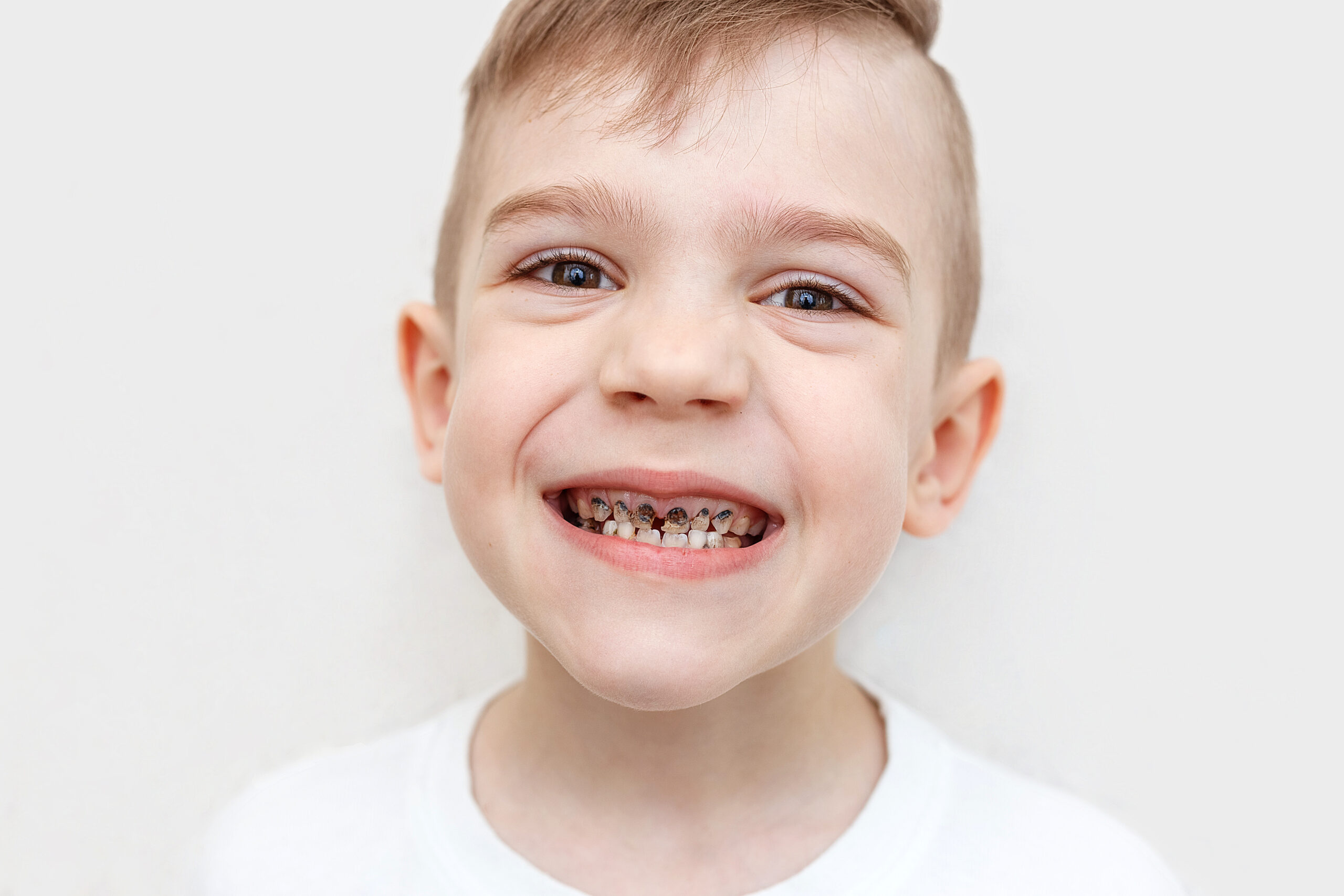
Many parents assume that baby teeth aren’t as important as permanent teeth because they eventually fall out. As a result, it can be tempting to delay treatment when a cavity develops in a primary tooth. However, untreated tooth decay in baby teeth can have lasting consequences for a child’s oral health—and in some cases, it may even affect the permanent teeth developing beneath them.
One of the most common questions pediatric dentists hear is: “Can cavities spread from baby teeth to permanent teeth?” The answer is more complex than a simple yes or no. While a cavity itself doesn’t physically jump from one tooth to another, the bacteria responsible for tooth decay can spread throughout the mouth and create an environment that puts permanent teeth at risk.
Understanding the relationship between baby teeth, cavities, and permanent teeth can help parents make informed decisions about their child’s dental care and protect their smile for years to come.
Why Baby Teeth Matter More Than You Think
Baby teeth play a crucial role in your child’s oral development. They help children chew properly, speak clearly, and maintain the space needed for permanent teeth to erupt in the correct position.
When a baby tooth becomes severely decayed or is lost too early, it can create problems that extend far beyond the affected tooth. Neighboring teeth may begin shifting into the empty space, making it difficult for permanent teeth to emerge correctly. This can increase the likelihood of crowding, bite problems, and the need for orthodontic treatment later on.
Healthy baby teeth help lay the foundation for a healthy adult smile. That’s why pediatric dentists emphasize preventive dental care from an early age.
How Cavities Develop
Cavities form when bacteria in the mouth feed on sugars and starches from food and drinks. As these bacteria break down sugars, they produce acids that attack tooth enamel.
Over time, repeated acid attacks weaken the enamel and create small holes or areas of decay. Without treatment, the cavity continues to grow deeper into the tooth.
Children are particularly vulnerable to cavities because they often consume sugary snacks and beverages, and they may not yet have mastered effective brushing and flossing habits. This makes regular dental checkups and professional cleanings especially important.
Can Decay Spread to Other Teeth?
While the actual hole in a tooth cannot spread, the bacteria that cause tooth decay can affect surrounding teeth.
When a child has untreated cavities, the levels of cavity-causing bacteria in their mouth increase. These bacteria can accumulate on nearby teeth and contribute to the development of new cavities.
This means that a cavity in one baby tooth may increase the risk of decay in other baby teeth and newly erupting permanent teeth. In this way, untreated decay can indirectly impact the health of the entire mouth.
For children who are beginning to get their permanent teeth, this risk becomes especially concerning. Newly erupted permanent teeth are often more susceptible to decay because their enamel is still maturing.
How Baby Tooth Cavities Can Affect Permanent Teeth
Many permanent teeth begin developing below the gums long before they become visible. If a baby tooth develops a severe infection due to untreated decay, the infection can sometimes affect the developing permanent tooth underneath.
In some cases, damage to the permanent tooth may result in discoloration, enamel defects, or abnormalities in tooth development. Although these situations are relatively uncommon, they highlight the importance of treating cavities before they progress.
Even when an infection doesn’t directly impact the permanent tooth, untreated decay can still create complications that affect how permanent teeth erupt and align.
The Hidden Risks of Untreated Cavities
Parents sometimes postpone treatment because their child isn’t complaining of pain. Unfortunately, cavities don’t always cause symptoms in their early stages.
A cavity that appears small on the surface may continue growing beneath the enamel. As decay reaches deeper layers of the tooth, children may begin experiencing tooth sensitivity, pain while eating, difficulty sleeping, or swelling around the affected area.
Advanced decay can eventually lead to dental infections, which may require more extensive treatment than a simple filling.
Addressing cavities early is typically easier, less invasive, and more comfortable for children.
The Importance of Early Cavity Treatment
Treating cavities in baby teeth is about much more than preserving a temporary tooth. Early treatment helps eliminate harmful bacteria, prevent infections, and maintain the health of surrounding teeth.
Pediatric dentists offer several treatment options depending on the severity of the cavity. These may include tooth-colored fillings, pediatric dental crowns, fluoride treatments, or other restorative procedures designed specifically for children.
By treating decay early, parents can help reduce the risk of future dental complications and protect the developing permanent teeth beneath the surface.
How to Prevent Cavities in Baby Teeth
The best way to protect both baby teeth and permanent teeth is to prevent cavities from forming in the first place.
Establishing strong oral hygiene habits at a young age can significantly reduce your child’s risk of tooth decay. Brushing twice daily with fluoride toothpaste, flossing regularly, and limiting sugary snacks and beverages all contribute to better oral health.
Routine dental visits are equally important. Professional cleanings remove plaque buildup that brushing may miss, while regular exams allow dentists to detect cavities before they become larger problems.
Preventive treatments such as dental sealants and fluoride applications can provide additional protection, particularly for children who may be at a higher risk of developing cavities.
What Parents Should Watch For
Some signs of tooth decay are easier to recognize than others. Visible dark spots, holes in the teeth, sensitivity to hot or cold foods, or complaints of tooth pain may all indicate the presence of a cavity.
However, many cavities develop without obvious symptoms. This is one reason regular pediatric dental exams are so valuable. Dentists can often identify early decay long before it becomes visible or painful.
The sooner a cavity is detected, the more treatment options are available.
Building Lifelong Healthy Habits
Children who learn the importance of preventive dental care at an early age are more likely to maintain healthy oral habits as they grow older.
Teaching children that baby teeth matter helps reinforce the value of brushing, flossing, and routine dental visits. It also helps them understand that taking care of their smile today can protect their permanent teeth tomorrow.
Preventive care doesn’t just reduce the risk of cavities—it helps establish a foundation for lifelong oral health.
Protect Your Child’s Smile at Hacienda Pediatric Dentistry
If your child has a cavity in a baby tooth, it’s important not to assume the problem will disappear when the tooth eventually falls out. Untreated decay can affect neighboring teeth, increase cavity-causing bacteria in the mouth, and potentially impact the development of permanent teeth.
At Hacienda Pediatric Dentistry in Hacienda Heights, CA, the team is dedicated to helping children maintain healthy smiles through comprehensive preventive and restorative dental care. Whether your child needs a routine dental exam, cavity treatment, fluoride therapy, or guidance on preventing tooth decay, compassionate pediatric dental care is available every step of the way.
Early treatment can help prevent small cavities from becoming larger problems while protecting the permanent teeth developing beneath the surface.
Contact Hacienda Pediatric Dentistry today to schedule your child’s appointment and learn how proactive pediatric dental care can support a lifetime of healthy smiles.