

How Jaw Development Impacts Your Child’s Smile, Bite, and Facial Growth
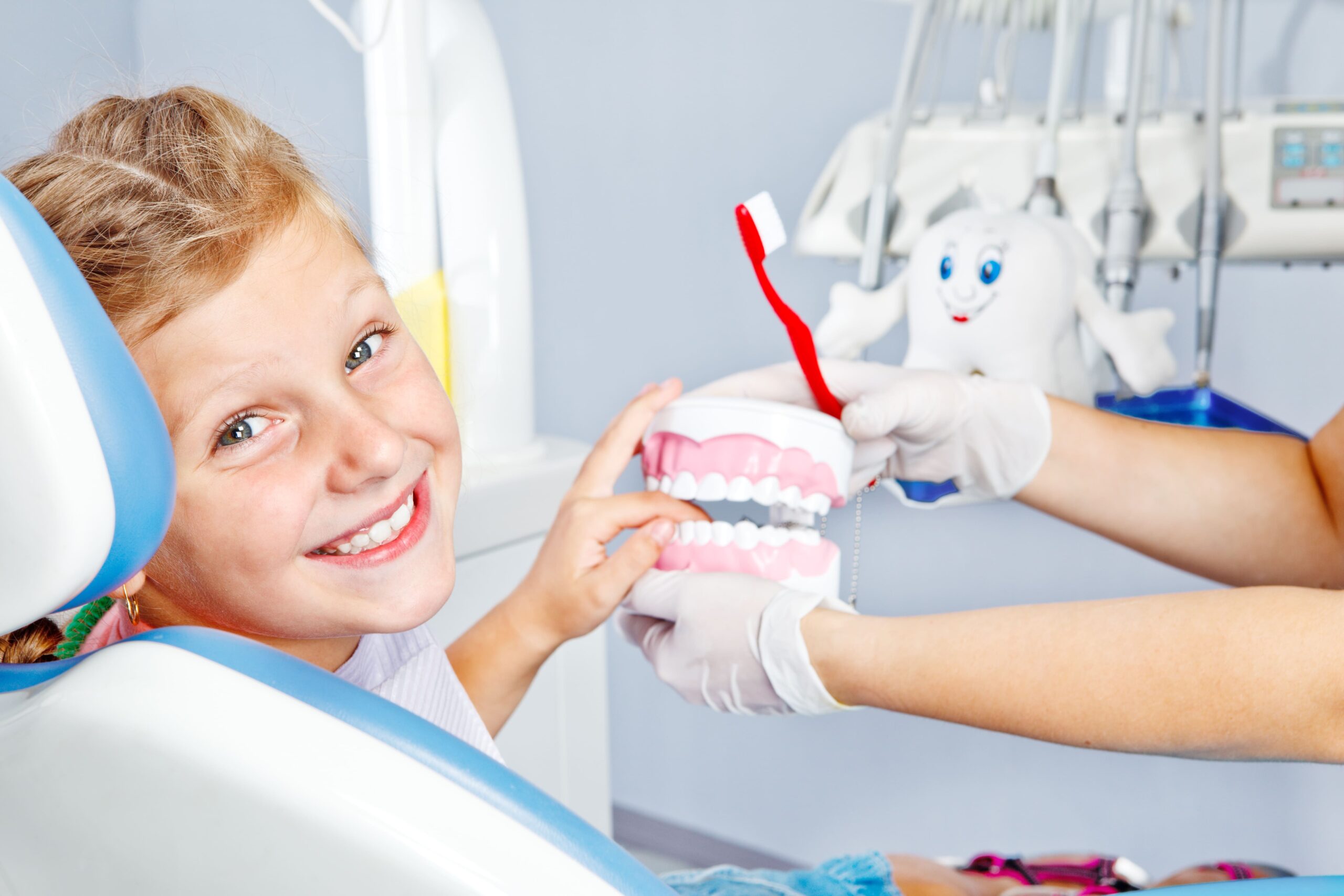
A child’s smile doesn’t develop in isolation—it is shaped by a complex interaction between teeth, jaws, muscles, airway function, and overall facial growth. One of the most important but often overlooked factors in pediatric oral health is jaw development. How the upper and lower jaws grow during childhood can influence not only the appearance of a child’s smile but also their bite alignment, breathing patterns, speech development, and long-term oral health.
Understanding jaw development early gives parents the opportunity to support healthy growth and address potential concerns before they become more complex. Pediatric dental care plays a key role in monitoring these changes and guiding families through each stage of development.
Why Jaw Development Matters in Childhood
The jaws serve as the foundation for all teeth alignment. When the upper and lower jaws grow in balance, there is usually enough space for teeth to erupt properly and function efficiently. However, when growth is uneven or restricted, it can lead to crowding, bite problems, and facial asymmetry.
Jaw development also influences how the face appears as a child grows. The structure of the midface, chin position, and overall symmetry are all affected by how the jaws expand and adapt over time. Because these changes happen gradually, parents may not notice subtle issues until they become more pronounced.
Early monitoring allows pediatric dental professionals to identify patterns of concern and guide growth in a healthier direction.
The Connection Between Jaw Growth and Bite Alignment
A child’s bite—how the upper and lower teeth come together—is directly shaped by jaw size and positioning. Ideally, the upper jaw (maxilla) and lower jaw (mandible) grow in harmony. When they do not, several types of bite issues can develop.
For example, an underdeveloped upper jaw may cause a crossbite, where the upper teeth sit inside the lower teeth. Conversely, a lower jaw that grows too far forward may result in an underbite. Overbites, open bites, and crowding can also stem from imbalances in jaw growth.
These conditions are not just cosmetic. Misaligned bites can lead to uneven tooth wear, difficulty chewing, jaw discomfort, and even speech challenges. Addressing jaw development early can often reduce the need for more complex orthodontic treatment later in adolescence.
How Jaw Development Affects Facial Growth
Facial growth is closely linked to the development of the jaws. The position and size of the jaws help define facial proportions, including the profile of the nose, lips, cheeks, and chin.
When jaw growth is balanced, the face typically develops in a more symmetrical and harmonious way. However, if one jaw grows disproportionately, it can alter facial appearance. For instance, a narrow upper jaw may make the midface appear sunken, while a recessed lower jaw may cause the chin to appear underdeveloped.
These differences are not just aesthetic—they can also affect airway space and breathing efficiency. In some cases, restricted jaw growth is associated with mouth breathing, snoring, or sleep-disordered breathing in children.
The Role of Airway and Breathing in Jaw Development
One of the most important influences on jaw growth is how a child breathes. Nasal breathing encourages proper tongue posture, which supports natural expansion of the upper jaw. Mouth breathing, on the other hand, can contribute to a narrower palate and altered facial development.
When a child consistently breathes through the mouth due to allergies, enlarged tonsils, or other airway concerns, the tongue often rests lower in the mouth instead of against the roof of the palate. This can limit the natural widening of the upper jaw and impact overall facial structure.
Pediatric dental professionals often collaborate with other healthcare providers to evaluate airway health when jaw development concerns are present. Early intervention can help support both healthy breathing and proper facial growth.
Early Signs of Jaw Development Concerns
Parents may notice subtle signs that suggest a child’s jaw is not developing optimally. These can include difficulty chewing certain foods, frequent mouth breathing, teeth that appear crowded or spaced unevenly, or a noticeable shift in facial symmetry.
Other indicators may include habitual thumb sucking beyond early childhood or speech patterns that seem affected by tooth or jaw positioning. While these signs do not always indicate a serious problem, they are worth discussing with a pediatric dentist who can evaluate jaw growth more closely.
Routine dental visits allow professionals to track development over time and identify changes that might not be obvious at home.
How Pediatric Dentistry Supports Healthy Jaw Growth
Pediatric dentists are trained to monitor the growth of the teeth and jaws from an early age. Regular checkups allow them to evaluate whether development is progressing normally and to detect early signs of imbalance.
In some cases, early orthodontic evaluation or interceptive treatment may be recommended. These approaches are designed to guide jaw growth while a child is still developing, making corrections easier and more effective than waiting until adolescence.
Preventive guidance may also include habits to encourage, such as proper tongue posture, nasal breathing support, and eliminating habits that could interfere with jaw development.
The Importance of Early Evaluation
One of the most valuable steps parents can take is ensuring their child receives an early dental evaluation of jaw growth. The American Academy of Pediatric Dentistry recommends that children have an orthodontic assessment by around age seven, even if no obvious issues are present.
At this stage, the permanent teeth are beginning to erupt, and the jaws are still highly responsive to growth guidance. Identifying concerns early can reduce the need for more invasive treatment later and support healthier long-term outcomes.
Supporting Lifelong Oral Health Through Growth Awareness
Jaw development is not just about appearance—it plays a foundational role in oral health, function, and overall well-being. When growth is balanced, children are more likely to experience comfortable bites, clear speech, proper breathing, and reduced risk of dental complications.
By paying attention to jaw development early, parents can help set the stage for a healthier smile that lasts into adulthood.
Hacienda Pediatric Dentistry: Guiding Healthy Smiles and Growth
At Hacienda Pediatric Dentistry, the focus goes beyond routine dental care to include careful monitoring of jaw development and facial growth. The team understands how important early detection is and works closely with families to ensure children’s smiles develop in a healthy, balanced way.
Through compassionate care, detailed evaluations, and a preventive approach, they help parents feel confident about their child’s long-term oral health and development.
Hacienda Pediatric Dentistry: Schedule a Growth Evaluation Today
If you are concerned about your child’s bite, smile alignment, or jaw development, Hacienda Pediatric Dentistry is here to help. Their experienced pediatric dental team can assess growth patterns early and provide guidance tailored to your child’s needs.
Contact them today to schedule an appointment and take an important step toward supporting your child’s healthy smile, bite, and facial development.